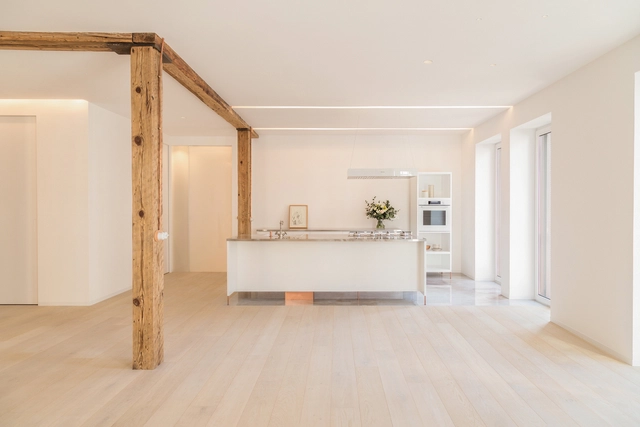



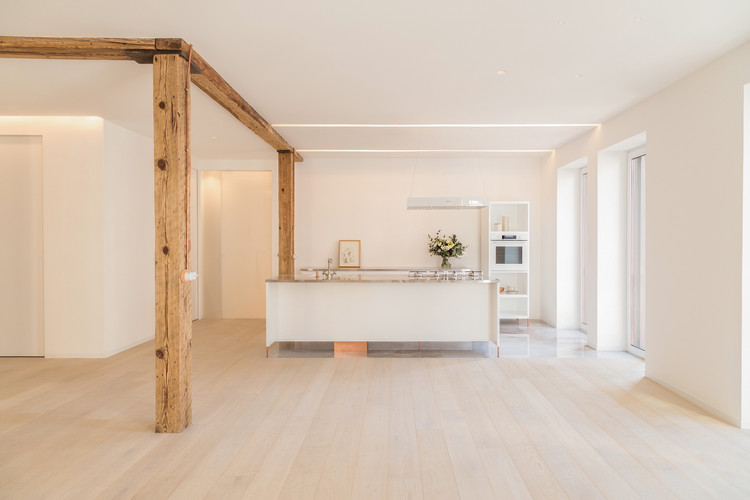
-
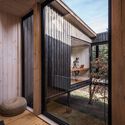
Architects: amaia arana arkitektura
- Area: 120 m²
- Year: 2020
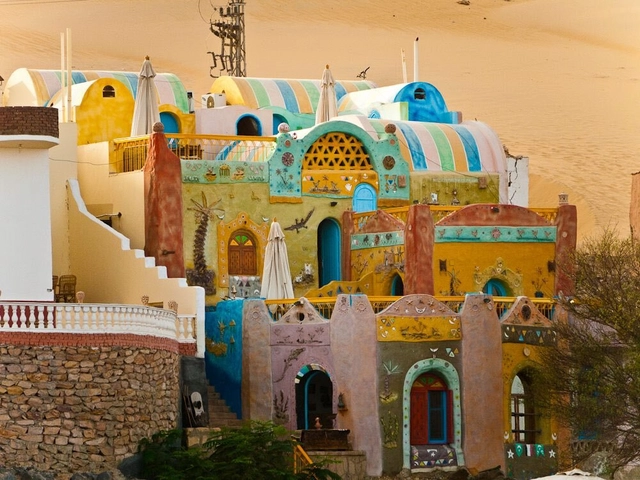
African societies' cultures are intrinsically linked to color. From fabrics to clothing, products, sculptures, and architecture, various societies explore rich and vibrant colors that are vivid, expressive, and joyful. Through different shades, hues, contrasts, motifs, and ornamentations, colors are embraced as an unspoken language, a palette for storytelling, and a sense of cultural identity. Although the use of color in African societies may seem decorative on the surface, it is extremely symbolic, with a deep sense of history behind it. Traditional African architecture is a prime example. Ethnic societies have endowed their homes with color through ornaments and motifs, expressed it with religious and cultural patterns, employed it on facades to tell familial stories, and created labyrinths of communal architecture that not only celebrate color but explore its ethnic meaning.

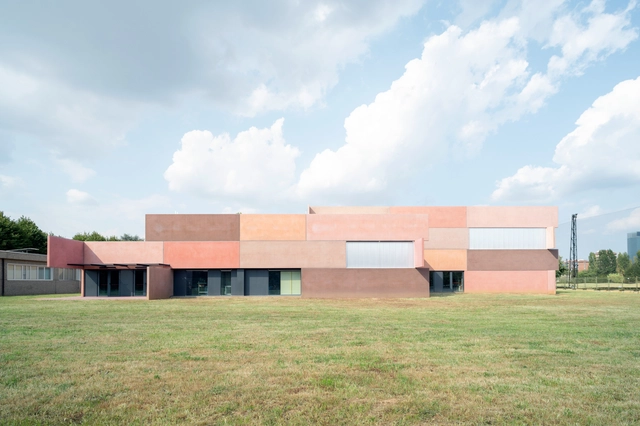
Architecture studio ELASTICOFarm, led by Stefano Pujatti, has been awarded the Premio Italiano di Architettura (Italian Architecture Prize), promoted by the Triennale di Milano and MAXXI. The award, now in its fourth edition, is received in recognition of their S-LAB project, a new building in Turin, Italy, for the Istituto Nazionale di Fisica Nucleare (INFN). The prize highlights works of architecture with high design quality and an attentive approach to innovation and the social role of architecture.

Residential projects are among the most complex challenges to design, given the diverse uses and stylistic preferences that can converge within a single space. Yet, this variety also presents an opportunity, opening up a wide range of possibilities and variations for each project. The paradigm of home design is so significant that Luis Barragán once said: “My house is my refuge, an emotional piece of architecture, not a cold piece of convenience.” Consequently, the design process in residential projects requires careful consideration to satisfy both the emotional and functional needs of those who will inhabit these spaces.
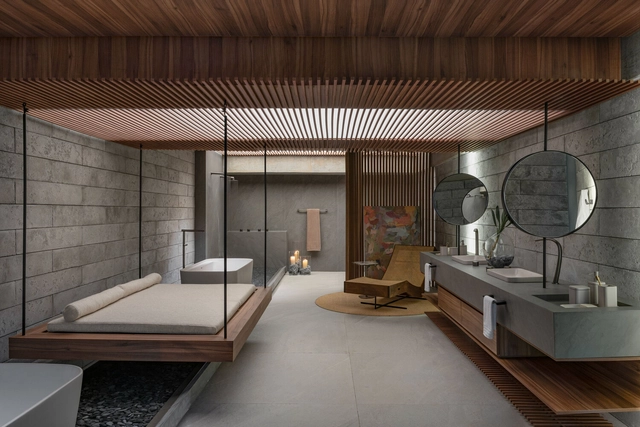
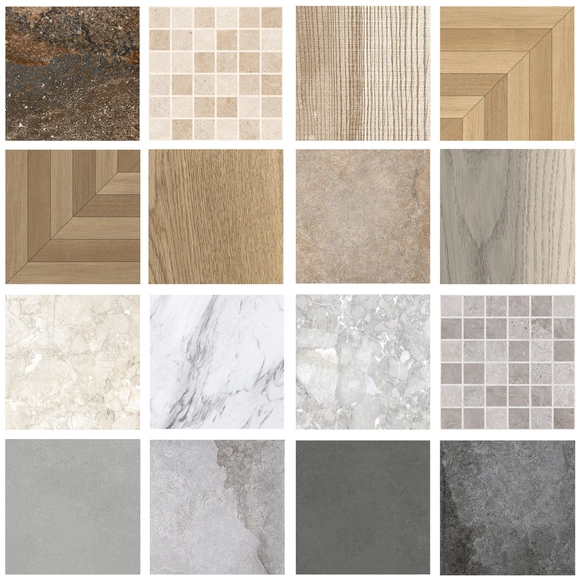
Combining functions, styles, and materials makes it possible to create spaces that transcend the purely functional, transforming them into emotional sanctuaries that reflect their residents' identity and character. With this in mind, Lamosa coverings offer a wide selection for residential environments. Available in a variety of sizes and styles, they help realize diverse creative visions, providing solutions for specific technical requirements and aesthetic preferences. Below, through curated moodboards, we explore how different types of coverings can be combined within the various areas that make up a residential project.
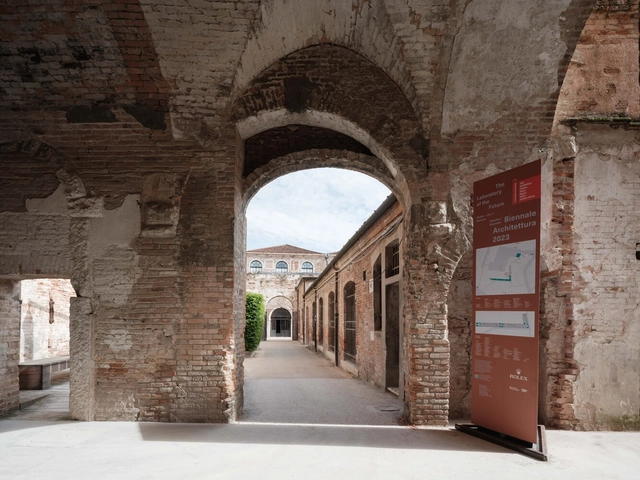
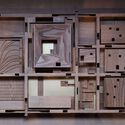
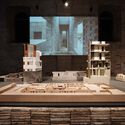
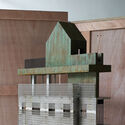
Neri&Hu presented “Liminality”, a multimedia exhibition selected by Lesley Lokko, at the International Architecture Exhibition in Venice. The exhibition took place in the Dangerous Liaisons section of La Biennale di Venezia at the Arsenale. In response to Lokko’s curatorial statement, Neri&Hu’s display explored the concept of liminality, the “zone” between design practice and theoretical exploration. The display consisted of three adaptive reuse projects that represent the practice’s research in “Reflective Nostalgia, Recasting Vernacular, and Ruinophilia/Future Artifact.”