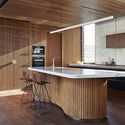
.jpg?1612843006&format=webp&width=640&height=580)
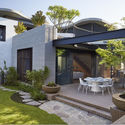
.jpg?1612841039 "© Roberta Gewehr")
.jpg?1612841510 "© Roberta Gewehr")
.jpg?1612841471 "© Roberta Gewehr")
.jpg?1612840922 "© Roberta Gewehr")
.jpg?1612843006)
-
Architects: Arquitetura Nacional
- Area: 2055 m²
- Year: 2019
-
Manufacturers: CO.WORK, CASIERE, MANJABOSCO, OBRA PRONTA, SQUADRIAS MOSCHETTA, Souza e Muller, +2

The MEDIA ARCHITECTURE BIENNALE - MAB20 invites students to send in their projects for the MAB Student Awards. An internationally acclaimed jury will select nominees and winners in five categories. A selection of projects will also be presented in an online exhibition to be displayed on the MAB Student Awards website. [https://studentawards.mediaarchitecture.org/mab/projects/]

We are pleased to invite you to participate in the fifth call of the Media Architecture Biennale Awards for outstanding projects at the intersection of architecture, urban design and planning, media and interaction design. The awards ceremony will take place on July 2nd, 2021 as an online live cast featuring the nominees and winners.
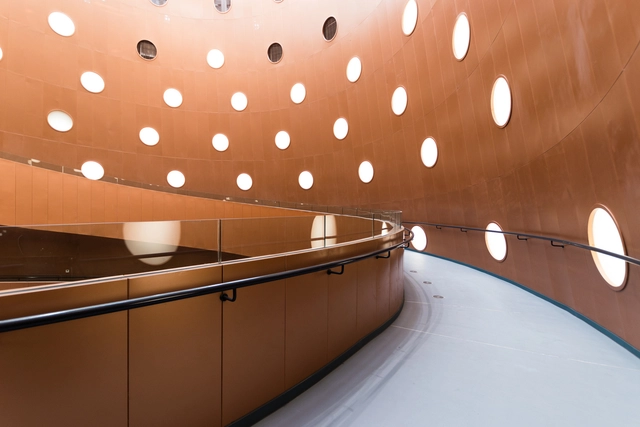
There are two main reasons why boat windows are round. They are easier to seal and, above all, more resistant to the high pressure that water exerts on them. This is because living corners are places where tensions are naturally concentrated, weakening the structure as a whole. This is also why aircraft windows are small and round; high pressures are better distributed in curved shapes, reducing the likelihood of cracks or breaks.
In architecture, circular openings are quite old. The Oculus, a type of circular window, has been a feature of classical architecture since the 16th century. Also known by the French expression oeil de boeuf (bull's eye), circular or semi-circular openings are formed from the construction of masonry arches, which allow for the creation of openings only by locking the constitutive pieces. Over time and following the incorporation of new technologies and development of construction knowledge, creating rectangular openings in buildings has become easier, more efficient, and cheaper than creating round ones. However, these circular windows still continue to figure in a multitude of projects.
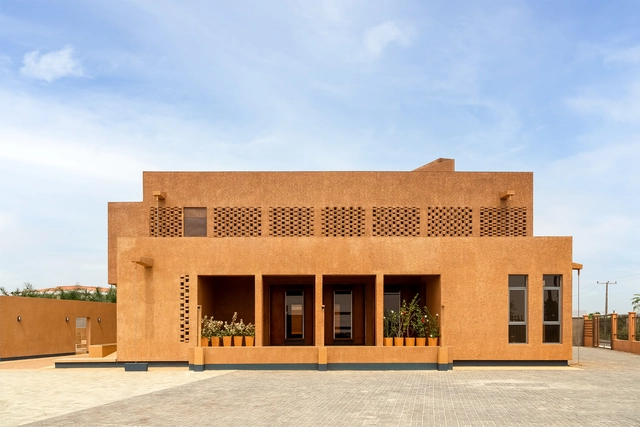

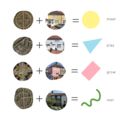
The Royal Institute of British Architects (RIBA) has announced the selection of nimtim architects with artist Katie Schwab for the Becontree Estate’s public realm commission. Looking to redesign 12 neglected and underused corner plots across the estate, the project reimagines these areas as new civic squares in East London.

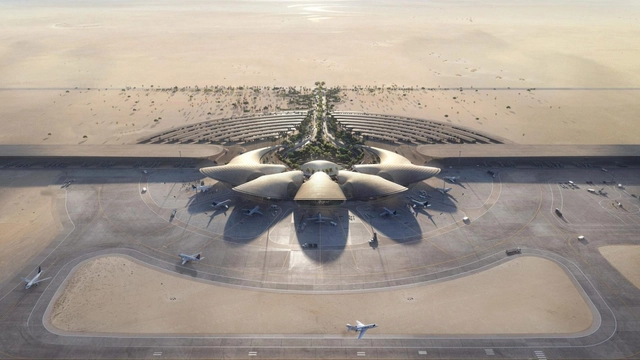
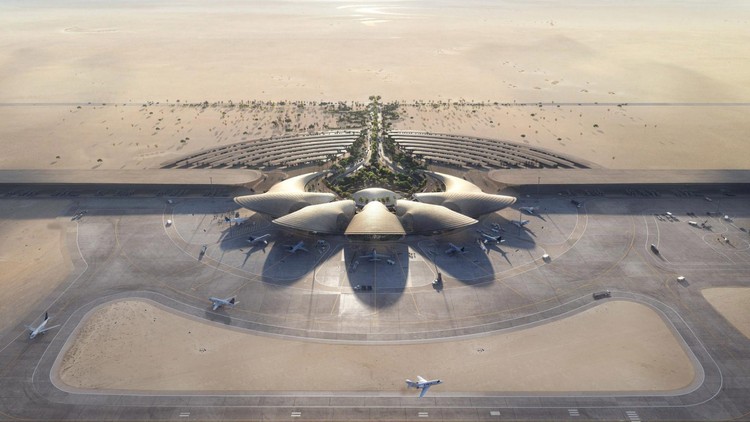
Construction has begun on the new Red Sea International Airport by Foster + Partners in Saudi Arabia. The airport is located on the country's west coast, and is part of the larger Red Sea Project and tourism development. The design was inspired by the "colors and textures of the desert landscape" and will feature a series of five pod structures arranged radially around a central drop-off and pick-up space.
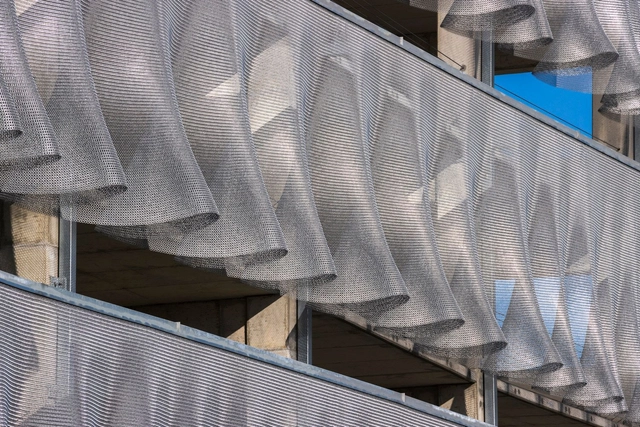
Parking garages present an aesthetic challenge to even the most creative design minds. Their vast scale and monotonous appearance are necessitated by function, but result in the difficulty of making the garages visually interesting instead of simply overbearing. Cladding a parking garage in a unique material can add visual interest and texture to achieve a more human connection. However, this in turn creates concerns about still bringing light and air into the garage.
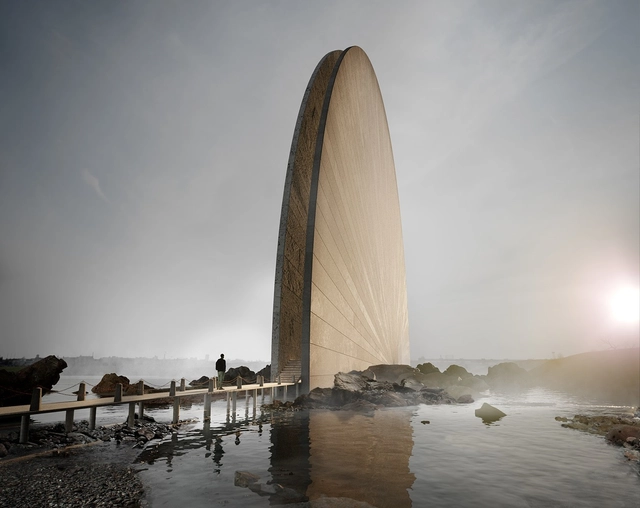
Scale defines spatial experience. From a single room or space to entire masterplans and urban designs, moving between scales shows how designers zoom in or out. Working across programs and contexts around the world, architects are exploring the possibilities of scale to shape human experience. For unbuilt work, these proposals combine ideas of structure, materiality and form to redefine typologies and the future of urban environments.
This week’s curated selection of the Best Unbuilt Architecture focuses on diverse scales of building. Drawn from an array of firms and local contexts, they represent proposals submitted by the ArchDaily Community. They showcase different approaches to designing at diverse scales, from the size of a single room to a high-rise. The projects include a log driving museum in Oslo and a center for health in Hawaii, to a laboratory in Shenzhen and a skyscraper in Costa Rica.
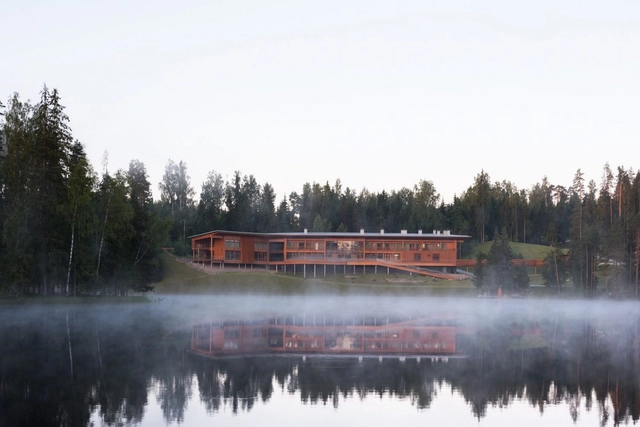
Vladimir Belogolovsky speaks with Russian architect Totan Kuzembaev about flexibility in buildings, the freedom in design, and that even after leading a successful practice for almost twenty years, he still keeps searching for how to make architecture.
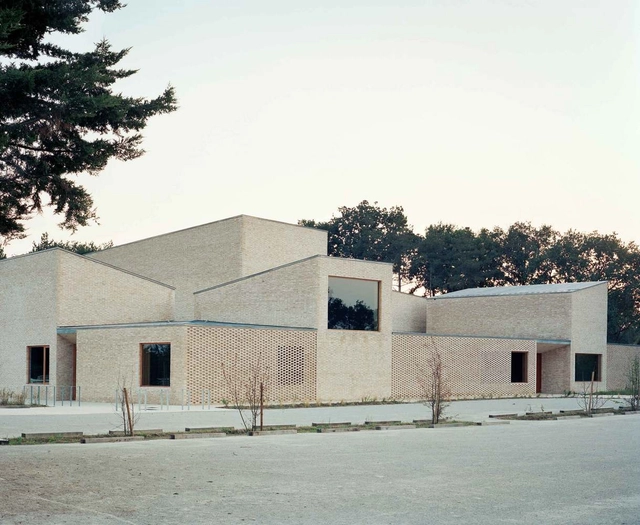

Simply placing the word "smart" before any kind of architectural or technological term, or any term for that matter, seems to convert it into something new and futuristic. Some examples, such as the smart city, smart industry, or smart commerce show us that the "smart" adjective is already more common than we think, and that, moreover, it doesn’t sound that strange anymore. The smart building is also a novel concept used in today’s architectural world. The difficulty of discussing this concept, as with every innovative yet ambiguous term, is finding a clear definition of it. There is already much writing on it, and we won’t find an absolutely clear definition, but generally, we could define a smart building as: "A construction that strives for full energy efficiency in its usage, reaching this goal thanks to integrated and automated management and control of all its systems."







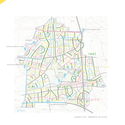

_photo_credit_-_Kalpesh_Lathigra.jpg?1614596399 "Becontree Estate. Image © Kalpesh Lathigra")