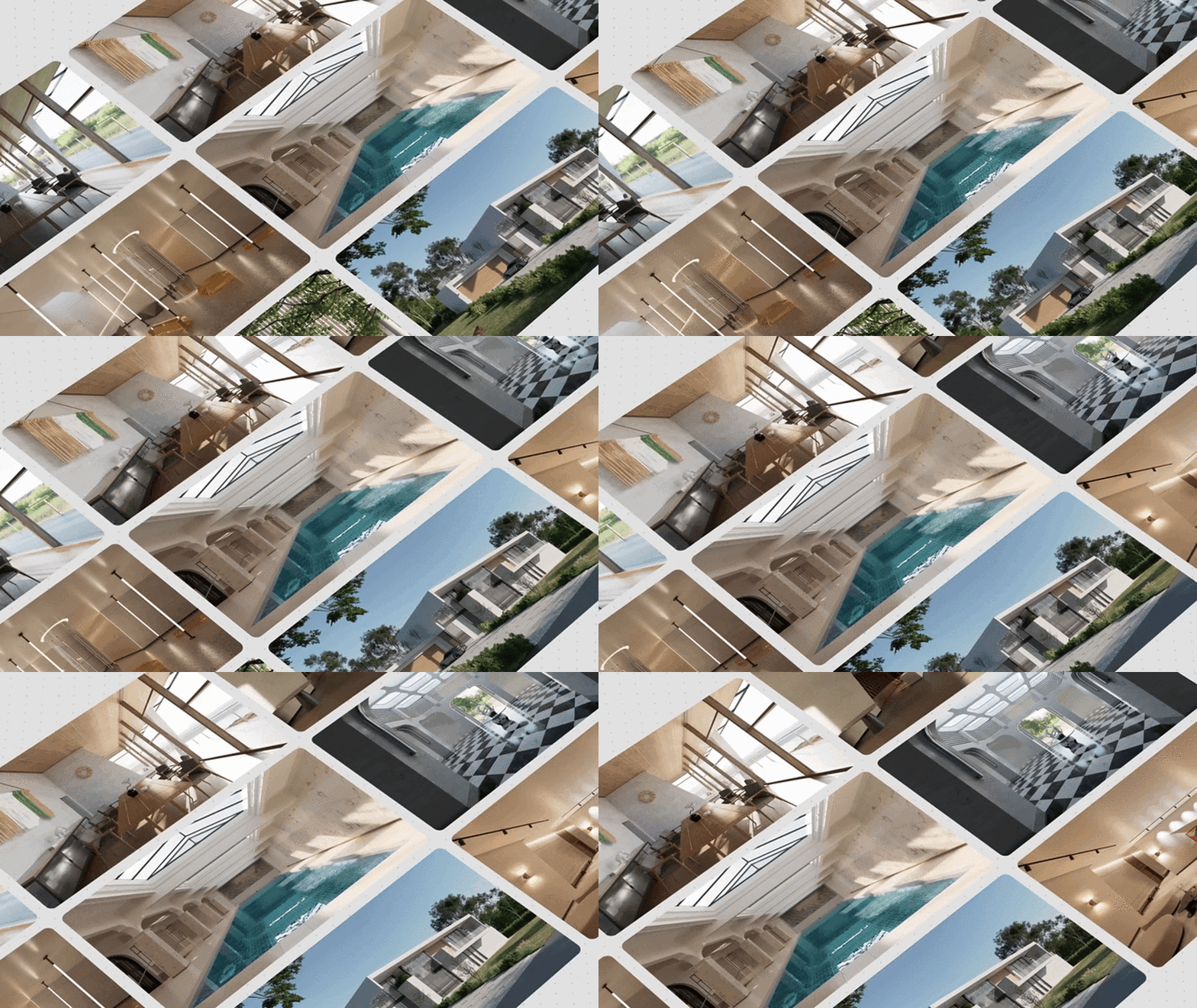
How to visualize architectural concepts in SketchUp using D5 Lite for faster design exploration.
How to visualize architectural concepts in SketchUp using D5 Lite for faster design exploration.

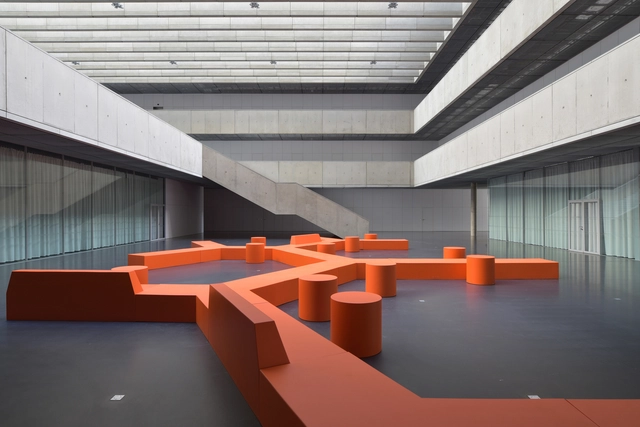

While research seems intrinsic to the design process, architectural research is a professional path in itself, whose purpose is to highlight scientific evidence and explore alternatives outside of pre-established norms or empirical considerations. Its purpose is to create a framework of knowledge that can inform the design to reach objectively better outcomes. The following discusses the role and state of research in architecture, some prominent areas of inquiry, and the architects or institutions that dedicate their work to these subjects.
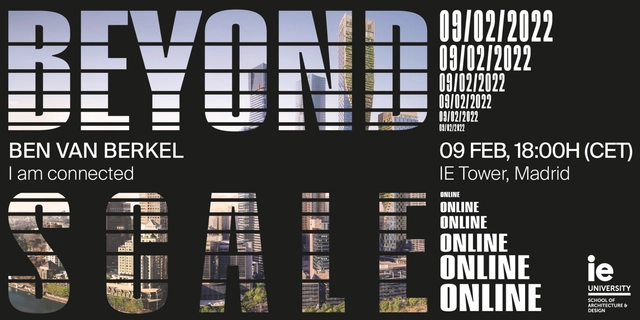
The next “Beyond Scale” lecture at IE School of Architecture and Design is coming soon!
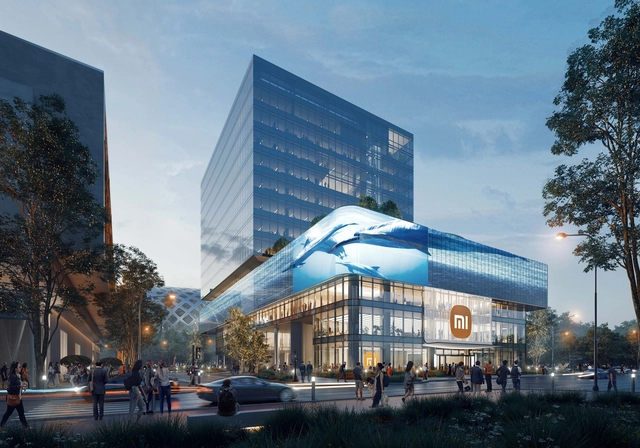
Ennead Architects has been selected to design the new headquarters of electronics designer and manufacturer Xiaomi in Shenzhen. The winning design, which was a competition entry held in celebration of the company’s 10th anniversary, reflects the relationship between technology and daily life by integrating a digital interface into the fabric of the building. The structure resembles a Rubik's cube with a 360-degree LED screen surrounding the building’s podium, representing Xiaomi’s success and aspirations for the future.


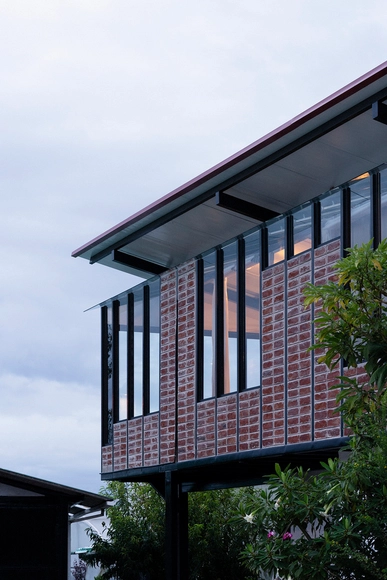
The Royal Institute of British Architects (RIBA) has announced the winners of the 2021 President's Medal and Awards for Research, highlighting the best research concerning architecture and the built environment. The President's Medal was awarded to John Lin and Sony Devabhaktuni from the University of Hong Kong for their research project As Found Houses, which explores vernacular practices in rural China. Two more awards were granted to the development of an ethics guide for architectural practitioners and a study of thin-tile vaulting in Cuba.




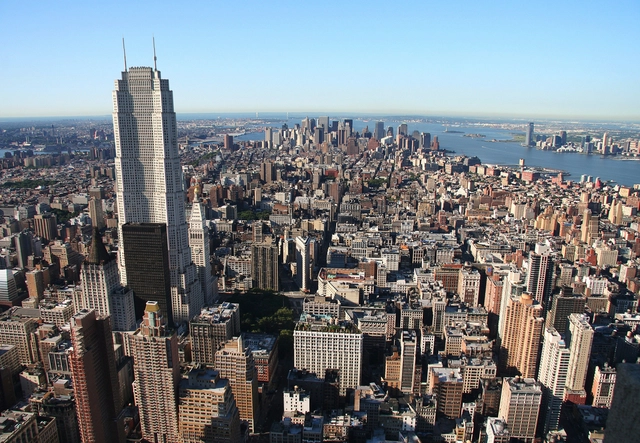
90Grados specialises in creating high-quality architectural renderings - and this time they present the virtual construction of a skyscraper that was left unfinished in New York after the Great Depression of 1929: the Metropolitan Life North Building.
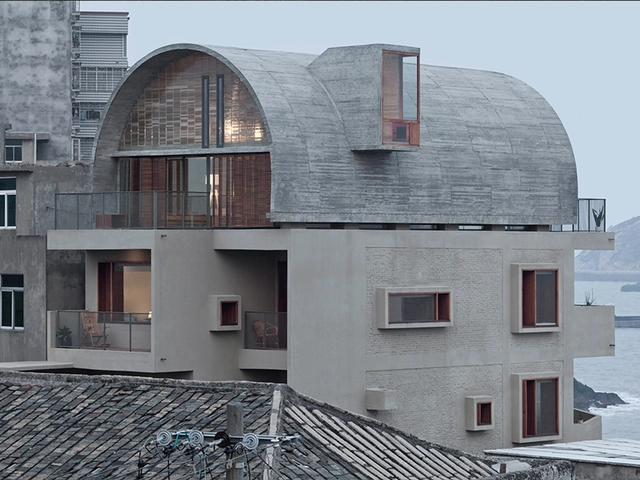
In 2014, a home reconstruction program called "Dream home" was launched in China, inviting architects and interior designers to redesign some old houses that have problems. Some of these homes are oddly shaped, some are tiny, and yet others have extremely inadequate lighting. The design concepts conveyed by the designers together in this program are respect for people, understanding human relationships, and the definition of home. These renovations or reconstructions are not just home updates for clients, but a reinterpretation of "home" that gives them a new life with dignity.

This article was originally published on Common Edge.
In terms of Covid, 2022 is more likely to be like 1920 than like 2020 or 2021. “Change or die” is a cliché, but often a true one. The past two years under the pandemic have forced many kinds of changes across society that may have helped prevent a lot of deaths. But many other aspects of our culture had already been changing in ways that predated the pandemic, gradual shifts that, once Covid hit, became instant and ubiquitous: remote work, remote learning, the dominance of online shopping and the death of brick-and-mortar retail, the obsessive focus on health and well-being. All of this, and more, is now a fundamental aspect of our daily lives.