


Tim Winstanley
BROWSE ALL FROM THIS AUTHOR HERE
↓
Digitally Connected Smart House
https://www.archdaily.com/193182/digitally-connected-smart-houseTim Winstanley
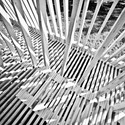
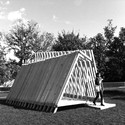
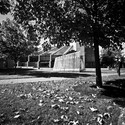
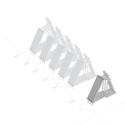
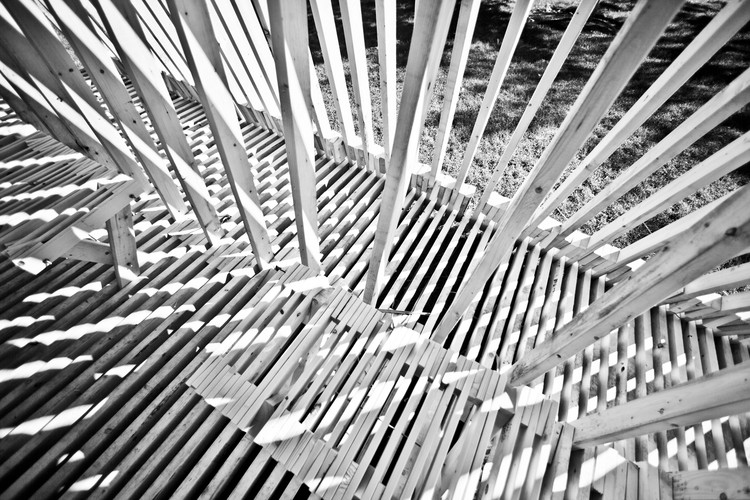
Harvard GSD Sukkah Design Build Competition Winner

Architects: Ren Tian, Gu Lik Hang, Patchara Wongboonsin Location: Cambridge, MA, USA Project Area: 144 sqf Project Year: 2011 Photographs: Ren Tian, Patchara Wongboonsin
https://www.archdaily.com/186356/harvard-gsd-sukkah-design-build-competition-winnerTim Winstanley
New Architectures: Nature and Phenomena / E/Ye Design
Nona Yehia
https://www.archdaily.com/186333/new-architectures-nature-and-phenomena-eye-designTim Winstanley
Russia Plans Ice City in Arctic Circle

In the latest bid to solidify territorial claims within the Arctic Circle, Russia has unveiled plans to build a city for 5,000 year round residents 1,000 miles from the North Pole on the remote island Kotelniy in the Novosibirsk archipelago. Part of a strategic plan to assert its claim over the vast reserves of natural resources underneath the polar ice cap, the planned development will cost several billion dollars.
Continue reading after the break.
https://www.archdaily.com/186334/russia-plans-ice-city-in-arctic-circleTim Winstanley
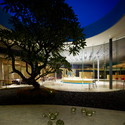
JNC Sales Office & Community Arts Center / Line and Space, LLC

Architect: Line and Space, LLC Location: Xiamen, China Project Team: Les Wallach, FAIA (Lead Designer), Bob Clements, AIA, LEED AP (Project Architect), Henry Tom, AIA, NCARB (Project Manager), Mike Anglin, RA, LEED AP, John McColgin, Ray Jin LEED AP, Emily Starace RA, LEED AP Project Area: 11,400 sqf Project Year: August 2011 Photographs: Yang Chaoying, Line and Space, LLC

https://www.archdaily.com/182195/jnc-sales-office-community-arts-center-line-and-space-llcTim Winstanley
Zumthor Photo Expose

We recently came across a photo expose chronicling numerous projects by Peter Zumthor. It features an extensive gallery covering models, drawings, and photos of his projects in various states from construction to completion. Be sure to check the site out here, and catch a glimpse into the inner workings of Zumthor.
https://www.archdaily.com/182191/zumthor-photo-exposeTim Winstanley
Top 10 American Downtowns

Livability.com recently released a compilation of the 10 best downtowns in the USA. Based on a rubric analyzing entertainment, planning, architecture, and green spaces they have come up with a list atypical of the cities typically found at the top of similar lists. Each of the cities on the list has a distinct and unique aura. Starting with Franklin, Tennessee, and topping out with Indianapolis, Indiana at number one, the descriptions of each city are sure to provide ample insight into the inimitable characteristics that warranted their listing within the top 10 downtowns. Be sure to check out projects from the cities on the list here:
https://www.archdaily.com/182193/top-10-american-downtownsTim Winstanley
Video: Urban Density Benefits
David Baker
https://www.archdaily.com/180555/video-urban-density-benefitsTim Winstanley
PLANT Receives Honorable Mention for NPS Roof Garden

PLANT Architecture has recently been recognized with an Honorable Mention in the City of Toronto’s Urban Design Awards. Held every other year, the awards acknowledge the contributions design has on the local milieu. PLANT’s revitalization of the Nathan Phillips Podium Square (part of Toronto’s iconic City Hall by Viljo Revell) introduces a greenscape to the podium previously occupied solely with a vast hardscaped plaza.
https://www.archdaily.com/178652/plant-receives-honorable-mention-for-nps-roof-gardenTim Winstanley
New Commitments for Environmental Transparency

An increasing trend towards sustainable construction within the building industry has resulted in a steady stream of “green” products into the marketplace. It is not uncommon to see products labeled with numerous claims that are certified by previously unheard of governing bodies. Industry leaders recently gathered in Toronto at Greenbuild to focus on avenues to increase the transparency of such claims made in the marketplace, and develop an integrated information source to reduce confusion and increase reliability.
https://www.archdaily.com/178407/new-commitments-for-environmental-transparencyTim Winstanley
Video: SCI-Arc Robot House
SCI-Arc‘s introduction of the Robot House (spring 2011) – a multifunctional robotics lab that enables the exploration of advanced fabrication techniques, manipulation of high tech materials, and numerous methods for simulation – has brought about a new and intriguing component to the school. Designed by faculty members Peter Testa and Devyn Weiser, its primary goal is the advancement of next generation platforms for the experimentation and future speculation of architecture.
https://www.archdaily.com/178237/video-sci-arc-robot-houseTim Winstanley
AIA 2030 Commitment

The AIA has recently updated its 2030 Commitment Reporting Tool, a tool that assists in providing firms a method to track the predicted energy use of their complete design portfolios. Since buildings are the largest contributor to the production of greenhouse gases and represent nearly half of the total annual production, this tool provides an avenue to address and exercise our responsibility in the creation of the built environment.
In order to increase the relevance and better suit the needs of firms, the AIA has expanded the toolset to include additional building types, additional code equivalents, distinctions between new construction/renovation and interior work, and a mixed use calculator.
https://www.archdaily.com/176987/aia-2030-commitmentTim Winstanley
Calatrava Withdraws from Denver Airport Expansion

It was with much enthusiasm that Denver International Airport officials announced Santiago Calatrava as the architect for the new $650 million expansion that included a hotel, public plaza, and commuter-rail station. However, Calatrava is now withdrawing himself from the project only a year later. Numerous concerns have been cited as the reason for his departure including “financial constraints, unnecessary time delays, and deep divisions” between his design team, DIA, and Parsons International Group as quoted by his wife and business manager Robertina in a letter to DIA manager Kim Day.
https://www.archdaily.com/171794/calatrava-withdraws-from-denver-airport-expansionTim Winstanley
Andrea Palladio's Works on Display

Architect Andrea Palladio’s (1508–1580) influence can be found throughout the world in monumental architectural works on both sides of the Atlantic. His Four Books on Architecture (1570) are some of the most famous and influential writings on architectural theory. The Royal Institute of British Architects Trust in conjunction with the Centro Internazionale di Studi di Architettura Andrea Palladio, Vicenza, has organized a traveling exhibition called Palladio and His Legacy: A Transatlantic Journey. This display will offer up a unique opportunity to view the numerous works, drawings, and models of one of the most influential architects of the last 500 years. Hosted by the Carnegie Museum of Art in their Heinz Architectural Center, the exhibition will run from September 3-December 31, 2011.
https://www.archdaily.com/176528/andrea-palladios-works-on-displayTim Winstanley
Explore Chicago's Best Architecture

Ever wanted to get a behind the scenes look at some of the most interesting buildings in Chicago? If you are an architecture enthusiast, student, or just curious about what all the hype is about, this weekend is your opportunity to experience the best that Chicago has to offer. From October 15-16, 2011, the Chicago Architecture Foundation will be hosting openhousechicago 2011 – which is free and open to the public. The primary themes for OHC are sustainability and community, with an emphasis on how buildings can achieve energy efficiency, and how design brings people and places together in a holistic manner.
https://www.archdaily.com/176530/explore-chicagos-best-architectureTim Winstanley
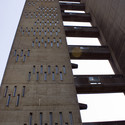
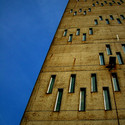
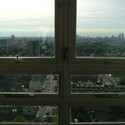
AD Classics: AD Classics: Balfron Tower / Erno Goldfinger

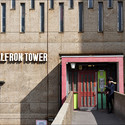
https://www.archdaily.com/160672/ad-classics-balfron-tower-erno-goldfingerTim Winstanley
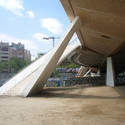
AD Classics: Bac de Roda Bridge / Santiago Calatrava




-
Architects: Santiago Calatrava
- Year: 1987
https://www.archdaily.com/151187/ad-classics-bac-de-roda-bridge-santiago-calatravaTim Winstanley
Busan Cinema Center Nearing Completion

The construction of the Busan Cinema Center by architecture firm COOP HIMMELB(L)AU is nearing completion. Slated to be the new home of the Busan International Film Festival, the complex will house cinemas, restaurants, a 1000 seat multifunctional theater, and numerous public spaces. More details after the break.
https://www.archdaily.com/173096/busan-cinema-center-nearing-completionTim Winstanley