
Ecological Shelters at Finca El Retorno / G Ateliers

Architects: G Ateliers
Design Team: Orlando García M., Hernán Galvis, Luis Eduardo Echeverri, Juan David Botero O.
Location: Guatapé, Antioquia, Colombia
Contractor: Orlando García, Natalia García M.
Collaborator: Maria Fernanda Vasco O
Structural Engineer: Jorge Aristizabal
Photographs: Gustavo Valencia
The project is located in Guatapé- Antioquia, a place with natural potential for ecological tourism development just two hours from Medellín.
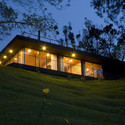
The design acknowledges the natural beauty of the site to create 8 ecological shelters that care to minimize the impact on the site and achieve a delicate fusion of architecture and place. These shelters emerge from the topography and enhance the surrounding nature without competing with it. Corridors at the perimeter, traditional elements from the Colombian dwelling architecture are introduced to achieve a clear relationship between interior and exterior.
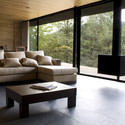
The green roofs provide spaces for outdoors activities while the wood covered walls generate a warm and cozy atmosphere at the interior.
- shelter 01
- shelter 01
- shelter 01
- shelter 01
- shelter 01
- shelter 01
- shelter 01
- shelter 01
- shelter 02
- shelter 02
- shelter 02
- shelter 02
- shelter 02
- shelter 02
- shelter 02
- shelter 02
- shelter 02
- masterplan
- shelter 01 ground plan
- shelter 01 roof plan
- shelter 01 section & elevation
- shelter 02 ground plan
- shelter 02 roof plan
- shelter 02 section & elevation


6 Comments to “Ecological Shelters at Finca El Retorno / G Ateliers” »
I wouldn’t call that building a shelter, don’t you think, or it’d be a shelter on steroids, Apparently a shelter living is kind of more simple way of live, not taking a La Dehesa muscled villa in the middle of the nature. In spite of all of the previous comentary I like that, at least the house’s been buried. How ecological is leaving a human print on a virginal landscape?Let me put that under question marks… I think ecology is leaving the country alone rather that spreading all around villas which start colonising the out world of the cities…
In addition to the previous comment, ecological and tourism, yes, sure, until the thing becomes a hit and then the masses start doing “ecological tourism”. Tourism is ecological until it’s known by the masses
Wow!! This is awesome. Would LOVE to get a place like this at some point.
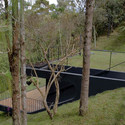
Ok, I like this projet, how they look to save the sourronding, and fused the enviroment whit the project it is great; but, thinking in the real enviroment; I was asking about the rain!, examle “refugio-1-08.jpg” file (third line, third row), there is obviously a little miss; In rainy days there will be a lot of mud!, that kind of details are important for the real architure. It is important to get the best formal, funcional desing for architecture and we have to think about how the people will live. I writting this becouse I like teh project, but that little detail jump to my eyes as a red dot.
In other word, I do not think the real problem is if the project is raping the virginal place, I will have to say, that is great the solution they found and is not to agresive to its sourronding, but as SolPatots says, this can not be called “Ecological” either “Organic architecture”, is just a good design or a good project, that have intresting points, and others that can be discuss. The problem that I see is they tried to sell oranges, but they gave us tomatos. Better focusing in details, like the one I mention (how the rain will disturb that project) or how they can save energy or other things than giving a name to a project; thats the real problem of architecture today, and I will have to mention Peter Zumthor, because he said “Atmospheres is a poetics of architecture and a window onto”, and in this project they do that (well, i think so); but when they try to give a name to be published they failed.
Ciao..
[...] Via archdaily.com [...]
I would just like to comment on the comment Rionz made about the detailing of this project. I see no problem with the drainage of this ‘green roof’ during a storm event if the proper growing media and/or engineered soil is used coupled with a high quality water proofing membrane, root barrier, drainage layer, and filter fabric there would be no problem with “mud”. I think these are wonderful examples of strucutres that could be used to offer unbostructive views within the proper landscape…..as Malcom Wells was conceptualizing years ago we need to revert back to dwellings under ground……I suggest checking out the following web sites there are numerous examples of properly designed green roofs and compnaies that provide them.
http://www.greenroofs.com
http://www.greenroofs.org
The most important part of any vegetated covered structure is the waterproofing. I’ve found that a hot rubberized membrane is the best. Check out this web site.
http://www.hydrotechusa.com
Leave a Reply »